In today's rapidly evolving business landscape, staying competitive means embracing digital transformation. Whether you're a seasoned industry leader or a startup aiming to disrupt the status quo, the journey towards digital transformation is a path that no organization can afford to ignore.
Welcome to my blog, where we embark on a comprehensive exploration of the 10 essential steps that constitute an end-to-end digital transformation journey. As technology continues to reshape industries and consumer expectations soar, understanding and executing a well-defined transformation strategy is paramount for success.
Let's take that first step together towards a brighter, digitally empowered future.
Step 1: Vision, Mission, Goals and Values
Understanding Organization Vision, Mission and goals from CEO for Digital Transformation and how can we connect that to Organization core values
Step 2: Understanding AS IS
Understanding existing Departments, Organization structure, vendor partners, clients, markets, domains, stakeholders ....
For taking up Digital Transformation initiative its important to understand the gaps, fitment for DT and if needed bring changes. Areas to focus are
Problem Space : Understand the problems faced by existing clients and their users
Expectations Space: Understanding Shareholders expectations
Step 3: Setting up right Corporate Entrepreneurship Model
Evaluating Opportunist, Enabler, Producer and Advocate models and identifying which model suits the Organization and DT Goals
Step 4: Behavioural Alignment
There are multiple behavioural dimensions where alignment is needed before we start Digital transformation projects
Leadership and Change Management
Employee Engagement and Empowerment
Digital Mindsets and Skill Development
Collaboration and Cross Functional teams
Customer Centricity and User Experience
Data Driven and Decision making
Continuous Learning and Adaptability
Step 5: Culture, Ethical Values Alignment and Tradeoffs
For Setting up Digital Transformation Office, many steps needs to be taken for
Leading Self as leaders
Leading Teams
Leading Management
Leading Organizations
Leading Societies
Crisis Management
Stakeholder Analysis and Management for DT Initaitive
Step 6: Ideation
Running Ideation workshops to Identify how existing problems can be solved, how DT goals can be achieved and how new and new areas can be explored for disruption. Also identifying all Tools and Techniques to be used in this journey are
Design Thinking
Journey Maps, Empathy Maps, Value Proposition, Business Model Canvas
Unmet Needs Vs Disrupting Technologies Ideation
Problem - Solution , Product - Market, Business Model Fitments
Future Wheel Technique
Disruptive Design Methodology
Step 7: Portfolio Of Projects
Post Ideation workshops, identifying Portfolios and projects under each
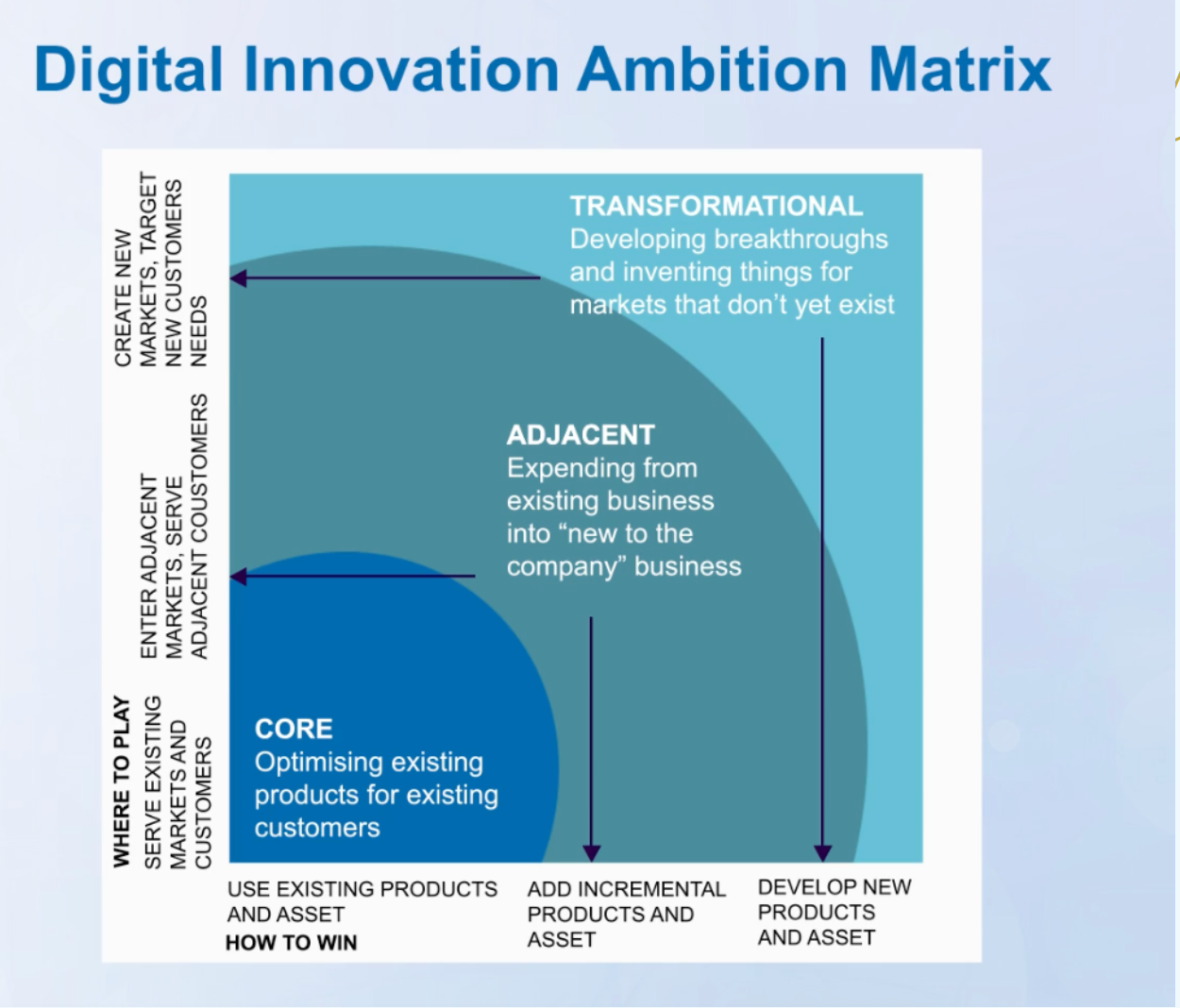
portfolio Categorising the projects into Core, Adjacent and Transformational Projects
Step 8: Right Solution & Right Teams
Setting up right teams for success, inculcating right culture, brainstorming
with teams for innovative solutions using latest Tech to solve the business
problems or to reach DT goals in most efficient manner
Step 9: Tracking DT Projects Status
Delivery Dashboard to track DT projects delivery will include RAG status on the below parameters
Delivery Confidence with key Highlights
Risk Exposure
Plan
Staffing
Team Morale
Customer Relations
Commercials
Legal
Future Business
Infosec / Security
Business value
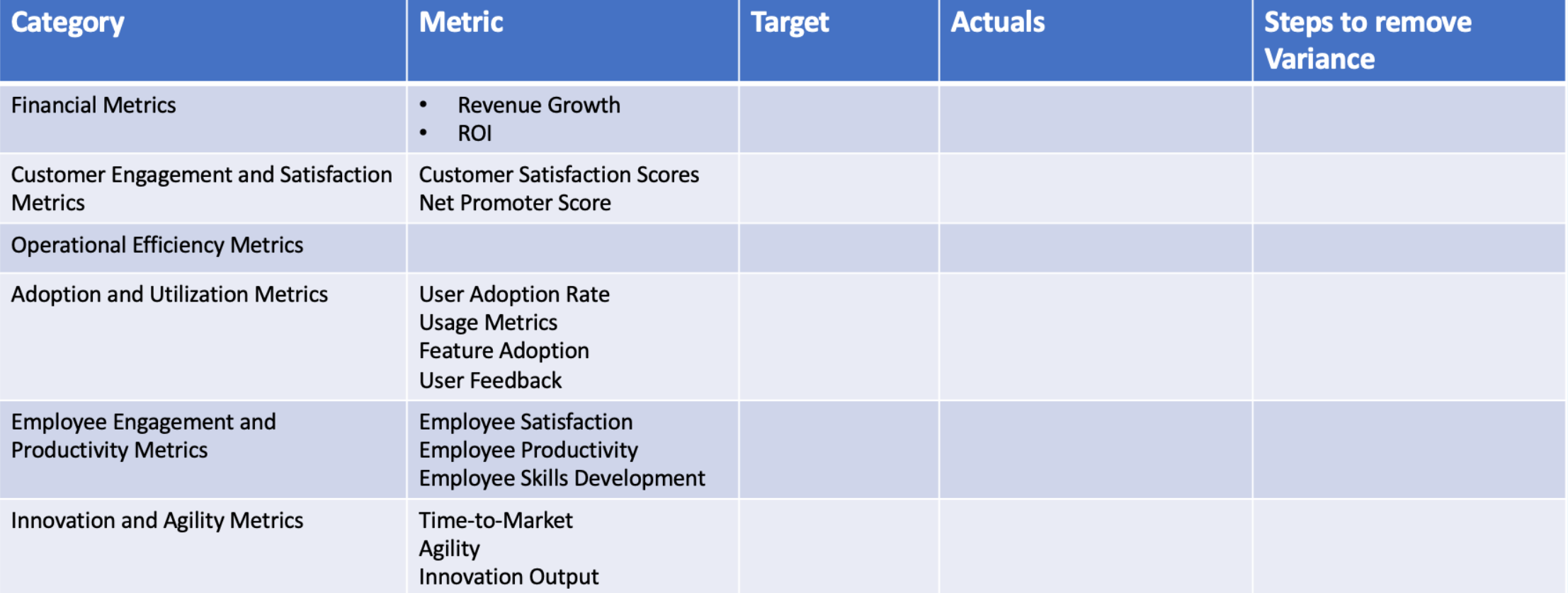
Step 10: Success Measures for DT Projects