Selim Uysal
/selimuysal

Newsletter & Email Course Specialist 📧 | Helping productivity experts grow their audience through newsletters and educational email courses. 🚀


Selim Uysal
3mo ago

I've tested more than 10 LinkedIn tools in the past few months. Most of them lost me during onboarding.
One of them didn't, and I want to explain why I'm still using it.
First, the reason I needed it at all. Commenting is one of the highest-leverage activities on LinkedIn.
Comment on someone's posts a few times, and by the time you message them, you're not a stranger. They've seen your name; they know how you think. The connection request almost accepts itself.
I've known this for years. I still couldn't do it consistently. One good week, then two weeks of silence. And nurture doesn't work in bursts; it works through repetition.
Extrovert fixed the consistency part. It finds posts from people I care about and drafts a comment in my voice. I edit, improve, or rewrite completely, then approve. 𝗡𝗼𝘁𝗵𝗶𝗻𝗴 𝗴𝗼𝗲𝘀 𝗼𝘂𝘁 𝘄𝗶𝘁𝗵𝗼𝘂𝘁 𝗺𝗲. Editing a draft takes 30 seconds. Starting from a blank box took 5 minutes, which is exactly why it kept not happening.
The onboarding was the easiest I've had in this category. Set up in minutes, plus they run a free live onboarding session every week where you can ask questions and hear how other users run their workflows. I've rarely seen that from a SaaS at this size.
Last week they also shipped an AI agent inside the product. I asked it a slightly rude question: "What's the difference between you and my own Claude connected over MCP?"
Its answer: none. It is Claude, with direct access to my Extrovert setup. No invented proprietary AI, and they say so openly. I respect that more than any feature.
The agent handles the part that used to be painful: it reviews your campaigns, tunes your Context and Style so drafts actually sound like you, and manages your prospect lists.
You describe what you want, it configures it.
𝗜𝗳 𝘆𝗼𝘂 𝘄𝗮𝗻𝘁 𝘁𝗼 𝘁𝗿𝘆 𝗶𝘁, 𝗹𝗶𝗸𝗲 𝗼𝗿 𝗰𝗼𝗺𝗺𝗲𝗻𝘁 "extrovert", 𝗜'𝗹𝗹 𝘀𝗲𝗻𝗱 𝗶𝘁 𝘆𝗼𝘂𝗿 𝘄𝗮𝘆!
Which tool finally made commenting stick for you, or are you still doing it manually?
Read and comment on LinkedIn;
https://www.linkedin.com/posts/selimuysal_ive-tested-more-than-10-linkedin-tools-in-share-7484906631852646400-N6rx/
Selim Uysal
3mo ago
Because a good post gets you likes. A good lead magnet gets you conversations.
• Your reach turns into contacts instead of vanity numbers. Every comment is a raised hand, and the DM that follows is a warm conversation, not cold outreach.
• The mechanic feeds itself. The CTA drives comments, comments push reach, reach brings more comments.
• You give something real before you ask for anything. Trust first, pitch later or never.
• One post keeps working after you close the laptop. The DMs go out whether you're online or not.
𝗧𝗵𝗶𝘀 𝗶𝘀 𝘄𝗵𝘆 𝗮𝗹𝗺𝗼𝘀𝘁 𝗲𝘃𝗲𝗿𝘆 𝗯𝘂𝘀𝗶𝗻𝗲𝘀𝘀 𝗮𝗻𝗱 𝗰𝗿𝗲𝗮𝘁𝗼𝗿 𝗼𝗻 𝗵𝗲𝗿𝗲 𝘀𝗵𝗼𝘂𝗹𝗱 𝗯𝗲 𝗿𝘂𝗻𝗻𝗶𝗻𝗴 𝘁𝗵𝗲𝗺.
And I watch around 100 lead magnets run on LinkedIn every single day. Here's what the last 24 hours looked like:
• Top post: 1,446 comments (Amazon listing images, hyper-specific)
• A financial modeling guide for analysts: 987
• Generic "AI prompts for everyone" packs: mostly under 200
Same format, same mechanic, 10x difference. The winners aren't better written. They're narrower. A specific person with a specific job sees their exact problem in the first line.
𝗠𝗼𝘀𝘁 𝗽𝗲𝗼𝗽𝗹𝗲 𝗯𝘂𝗶𝗹𝗱 𝗮 𝗹𝗲𝗮𝗱 𝗺𝗮𝗴𝗻𝗲𝘁 𝗳𝗼𝗿 𝗲𝘃𝗲𝗿𝘆𝗼𝗻𝗲, 𝗮𝗻𝗱 𝗲𝗻𝗱 𝘂𝗽 𝘄𝗶𝘁𝗵 𝗮 𝗹𝗲𝗮𝗱 𝗺𝗮𝗴𝗻𝗲𝘁 𝗳𝗼𝗿 𝗻𝗼 𝗼𝗻𝗲.
I put the top 100 lead magnets running on LinkedIn right now into one live library, real posts with real numbers, so you can see what's working in your niche before you build one.
𝗖𝗼𝗺𝗺𝗲𝗻𝘁 MAGNETS 𝗮𝗻𝗱 𝗜'𝗹𝗹 𝘀𝗲𝗻𝗱 𝘆𝗼𝘂 𝘁𝗵𝗲 𝗹𝗶𝗻𝗸.
Read and comment on LinkedIn: https://www.linkedin.com/feed/update/urn:li:ugcPost:7481697398902415360/
Selim Uysal
9mo ago
Some highlights:
→ 28 billion emails sent in 2025
→ 255 million unique readers reached
→ Open rates at 41%+ (up from 37% in 2024)
→ Paid subscriptions grew 138% year over year
→ Median time to first dollar: just 66 days
The takeaway?
Email isn't dying. It's thriving.
While social platforms battle algorithm changes and AI-curated feeds, newsletters keep doing what they do best:
Reliably reaching people who actually want to hear from you.
More insights coming on this.
📖 Full report: https://www.beehiiv.com/blog/the-state-of-newsletters-2026
—
Ready to start your newsletter or move it to beehiiv?
Selim Uysal
10mo ago
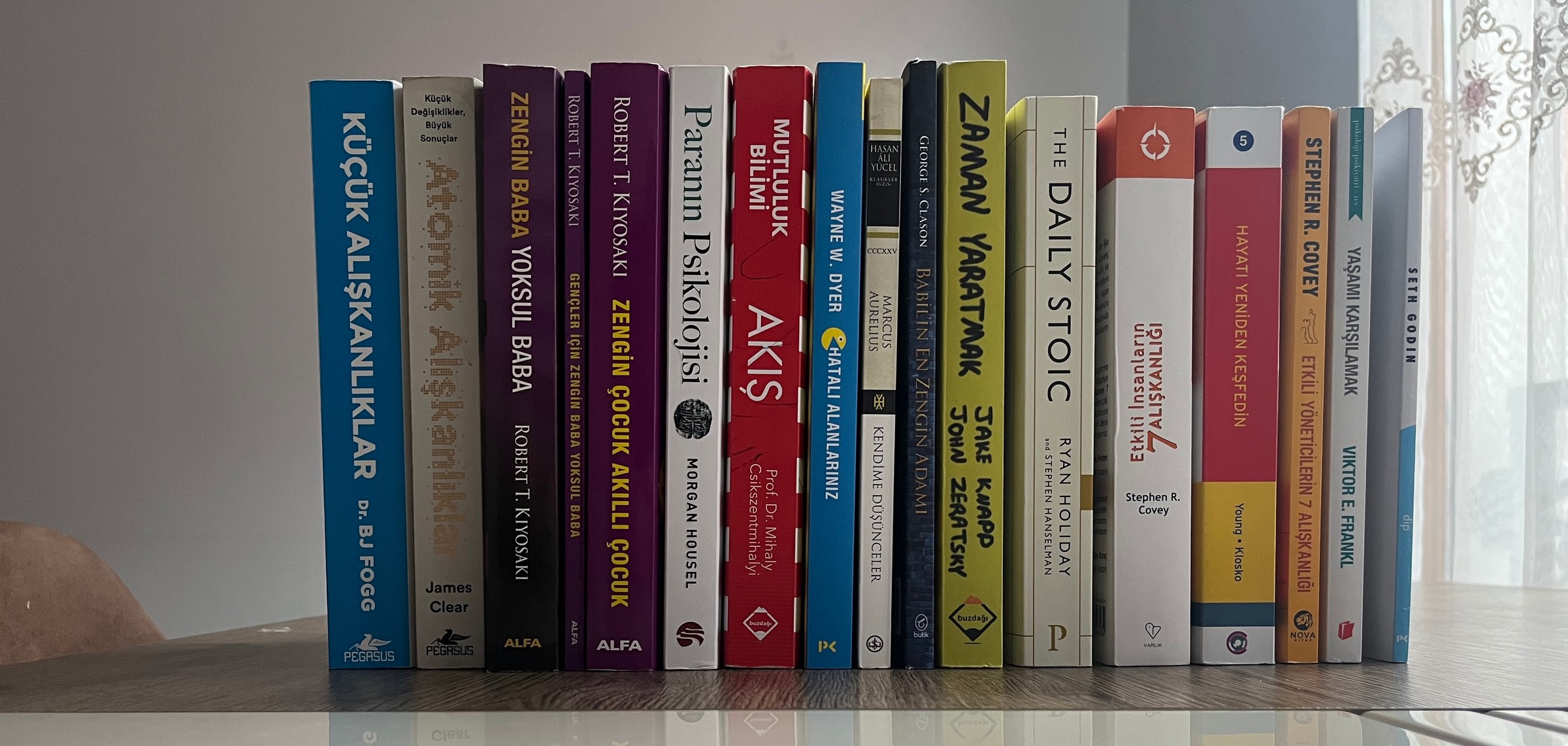
I've read dozens of books on habits, but these 5 fundamentally changed how I actually live:
1. The 7 Habits of Highly Effective People - Stephen R. Covey. The classic that goes beyond habits into principles. The ultimate framework: Dependence → Independence → Interdependence. Covey teaches paradigm shifts, things like "begin with the end in mind" and "seek first to understand." Filled with touching stories that stick with you. This isn't just about building routines; it's about building character and a principled life.
2. Atomic Habits - James Clear. The most practical habits book ever written. Identity over outcomes. Systems over goals. Clear's philosophy: don't aim to read more books, become a reader. The four laws of behavior change make it actionable from day one. Small changes, massive results.
3. The Power of Habit - Charles Duhigg opens with the incredible story of Lisa, who transformed from debt, smoking, and chaos to completely turning her life around. The book breaks down into three parts: how individuals change habits, how organizations do, and how societies shift. The cue-routine-reward loop explained brilliantly.
4. Tiny Habits - BJ Fogg, Stanford psychologist who mentored founders of companies that became giants (Instagram, etc.). His BJ Fogg Behavior Model (B=MAP: Behavior = Motivation + Ability + Prompt) is groundbreaking. Start absurdly small, after I brush my teeth, I'll floss one tooth, then let it grow. If you want the research AND the startup application, this is it.
5. Good Habits, Bad Habits - Wendy Wood. Unlike other books, Wood dedicates serious time to breaking bad habits, not just forming good ones. The science of context, friction, and why habits stick (or don't). Less "motivational," more psychological depth.
Want my key takeaways from all 5 books? I created a free email course breaking down the best insights from each: books.dailyhabits.blog
Which of these have you read? Which should I add to my list?
Selim Uysal
10mo ago
People ask me how to start a newsletter.
Then they wait.
For the perfect niche. For the perfect name. For the perfect system. For the perfect time.
They schedule meeting after meeting. They rework the strategy over and over.
Meanwhile, nothing gets published.
Here's what I know:
𝗜'𝘃𝗲 𝗽𝘂𝗯𝗹𝗶𝘀𝗵𝗲𝗱 𝟱𝟬𝟬+ 𝗮𝘁𝗼𝗺𝗶𝗰 𝗲𝘀𝘀𝗮𝘆𝘀 𝗼𝗻 𝗧𝘆𝗽𝗲𝘀𝗵𝗮𝗿𝗲.
Are they all perfect? No.
Some are rough. Some I'd rewrite today.
But they're 𝘀𝗵𝗶𝗽𝗽𝗲𝗱.
If I had waited for perfect?
I'd probably have 10 posts. Maybe less.
𝗧𝗵𝗲 𝗳𝗿𝗶𝗰𝘁𝗶𝗼𝗻 𝗶𝘀𝗻'𝘁 𝘁𝗵𝗲 𝘄𝗿𝗶𝘁𝗶𝗻𝗴.
It's the overthinking.
→ "What if no one reads it?"
→ "What if it's not good enough?"
→ "What if I pick the wrong topic?"
None of that matters if you never hit publish.
The best newsletter is the one that exists.
Ship it. Learn. Improve. Repeat.
Perfection is a trap.
Progress is a practice.
—
→ Ready to stop waiting? Free 5-day course: startyournewsletter.today
Selim Uysal
10mo ago
We've never been better at planning.
Journals. Weekly reviews. Monthly goals. Yearly plans. New Year's resolutions.
Apps for everything.
And yet…
This morning I planned to wake up early.
I had it all figured out last night.
What I'd do. When I'd start. How productive I'd be.
Then the alarm went off.
I woke up. But I couldn't get up.
Sound familiar?
𝗧𝗵𝗲 𝗽𝗿𝗼𝗯𝗹𝗲𝗺 𝗶𝘀𝗻'𝘁 𝗽𝗹𝗮𝗻𝗻𝗶𝗻𝗴.
It's execution.
Three things stop us:
𝟭. 𝗧𝗮𝗸𝗶𝗻𝗴 𝗮𝗰𝘁𝗶𝗼𝗻 𝗶𝘀 𝗵𝗮𝗿𝗱.
Thinking about it is easy. Doing it is uncomfortable.
𝟮. 𝗜𝗱𝗲𝗻𝘁𝗶𝘁𝘆 𝗴𝗮𝗽.
You plan like the person you want to be.
But you act like the person you currently are.
𝟯. 𝗡𝗼 𝗲𝗻𝗲𝗿𝗴𝘆.
You can have the best plan in the world.
But if you're exhausted, burnt out, or drained, nothing happens.
The real skill isn't making better plans.
It's closing the gap between what you plan and what you do.
—
Which one holds you back the most?
(Check out my free email course on habit books; books.dailyhabits.blog)
Selim Uysal
10mo ago
The #1 reason people don't start a newsletter? They're stuck comparing tools.
"Should I use Beehiiv or Substack?" "Is Kit better for automations?" "What if I pick the wrong one?"
Here's the truth: all three work. Successful creators use each of them.
Quick breakdown:
Beehiiv: All-in-one with monetization, referrals, and full control. You own your list. My personal pick.
Kit (formerly ConvertKit): Best for automations and selling digital products. Creator-favorite for years.
Substack: Easiest to start, built-in discovery, but less control over your list.
Pro tip: You can combine them. Use Substack for visibility and network effects, then funnel subscribers to Beehiiv or Kit where you own the relationship.
But here's what matters most:
The best platform is the one you actually use.
Pick one. Write your first issue. Hit send.
You can always switch later. You can't get back the months you spent overthinking.
→ Ready to stop waiting? I built a free 5-day email course to help you launch: startyournewsletter.today
Selim Uysal
10mo ago
Today at work, I had a problem.
I needed to create bulk calendar events. Not one. Not two. A whole bunch.
I checked the tools I knew: AddEvent, addcal.co, etc. None of them did what I needed.
So I thought: what if I just... built it myself?
A few hours later, I had it: calendarevent.link
It's simple. It's v1. But it works.
You can:
Create multiple calendar events at once
Talk to AI and create events from your voice
Copy-paste a table and convert it to calendar events
This is my first real app. Built from scratch. And honestly? AI (Claude) made it so much easier than I ever thought possible.
I'm not a developer by training. But I had a problem, I had an idea, and I had the tools to make it happen.
Does that make me an indie maker now? I guess so.
If this sounds useful to you, try it out: calendarevent.link
And if you have an idea for an app but don't know where to start, DM me. Happy to help. Turns out building things is easier than we think.
