Damien Casten
/damiencasten
I write about succeeding in the wine industry | Founded @candidwines in 2005 | Import and Distribution company based in Chicago


Damien Casten
2y ago
When I am at my best on a sales call, I start my meetings by actually listening to the answer when I ask "How are you?"
Health Coach Gözde İmamoğlu suggests that this is one of the best ways to establish trust and confidence, yet most of us don't do it. Before going into a sales call, I remind myself to listen to the answer and to probe a bit deeper. The goal is to simply be present with the client and to take a genuine interest in their current situation.
And I always have to remind myself to shut up about my wines and myself until I've heard the answer!
Gözde explains that this habit has been shown to make us happier and healthier.
Quoting directly from Gözde, she suggests:
Next time you meet a colleague, client, or friend, try these new conversation starters:
Start with "Hi" and add:
1/ Great to see you!
2/ It has been a while!
3/ Good to catch up again!
4/ I'm glad we are connecting!
Then, continue with:
1/ Exploring any new ideas?
2/ What's new and good with you?
3/ Got anything exciting coming up?
4/ Any recent highlights or wins in 'X'?
5/ What are you looking forward to this week?
Translating this general guide into the world of wine, I would modify Gözde's questions to read:
1/ Tasted any exciting new wines lately?
2/ What's new, food-wise on your menu?
3/ Working on any interesting wine-maker events?
4/ Have you eaten at any interesting new spots recently?
5/ What's the most interesting bottle you've sold this month?
This 1 habit is something that will lead to more interesting conversations and deeper connections.
It is as simple as taking a moment to listen.
Damien Casten
2y ago
I hate stereotypes, but I rely on them in wine.
It is impossible not to fall victim to "a fixed and oversimplified idea of a particular grape", to paraphrase from Oxford's definition of the word. Stereotypes help us build frames of reference around varieties, winemaking techniques, and even entire continents. Read the Court of Master Sommeliers' stance on using New World vs Old World if you doubt this is true.
What I don't believe is that a "pure" or "true" version of a grape can exist.
Grignolino is More Than I Thought
Until yesterday morning, I was comfortable with my understanding of Grignolino (Gree-nyo-lee-noh), an obscure red grape from Piedmont in Northern Italy.
I would have told you that Grignolino is:
Pale red
Light bodied
High in tannins
A match for cured and dried meats
And then I tasted a wine that showed me something else.
An Exception That Proves the Rule
"Schersa Nen" translates as "no joke" in Piemontese, and is a fitting name for a wine that shows a different side of a lighter variety.
This Grignolino is:
Robust in color
Medium to full-bodied
Tannic, but with a silky mid-palate.
A match for red meats, grill marks and all.
Standing in contrast to other wines from Asti and Monferrato, this bottle could be a perfect bookend to a lesson on Grignolino for retail or restaurant staff.
Shatter Stereotypes to Anchor Facts
Teaching my team about Grignolino, I would pair this bottle with a 'predictable' version.
The standard bottle speaks to customers' expectations. The unexpected wine challenges what we 'know'. The contrast will spark a conversation that will educate and help sell both.
Acknowledge that stereotypes exist in wine, and then use them to your advantage when training your staff.


Damien Casten
2y ago
If you are at all interested in buying wine from Burgundy, then you need to clear your calendar and watch:
How To Buy Burgundy: Part 1 and Part 2 With Winemaker Alex Gambal.
And here's why:
Alex was a collector himself, who spent thirty years building a Domaine in Burgundy.
Alex's mentor was Becky Wasserman, perhaps the greatest American Importer of Burgundy.
There is a clear explanation of the hierarchy of Burgundy.
Alex explains why not all Grand Cru is worth the money. (This could save you $1000s)
Honestly, filming this with Alex changed the way I think about Burgundy and some of its lessons apply to wine regions everywhere.
This is for sure one of the gems in the Ask a Winemaker collection, but it's largely been overlooked.

Damien Casten
2y ago
One of my favorite customers is a Master Sommelier.
He knows more about wine than I ever will, and I love that. A tasting appointment with one of the best in our industry requires me to be on top of my game. Showing up unprepared is not an option.
That's why I spent hours developing this lesson about Mont de Mileu, a Premier Cru vineyard in Chablis, France.
Beaker, Dr. Bunsen Honeydew and a Forest
A tuft of forest at the top of the Mont de Mileu looks like Beaker's (yes, Beaker the Muppet) hair.
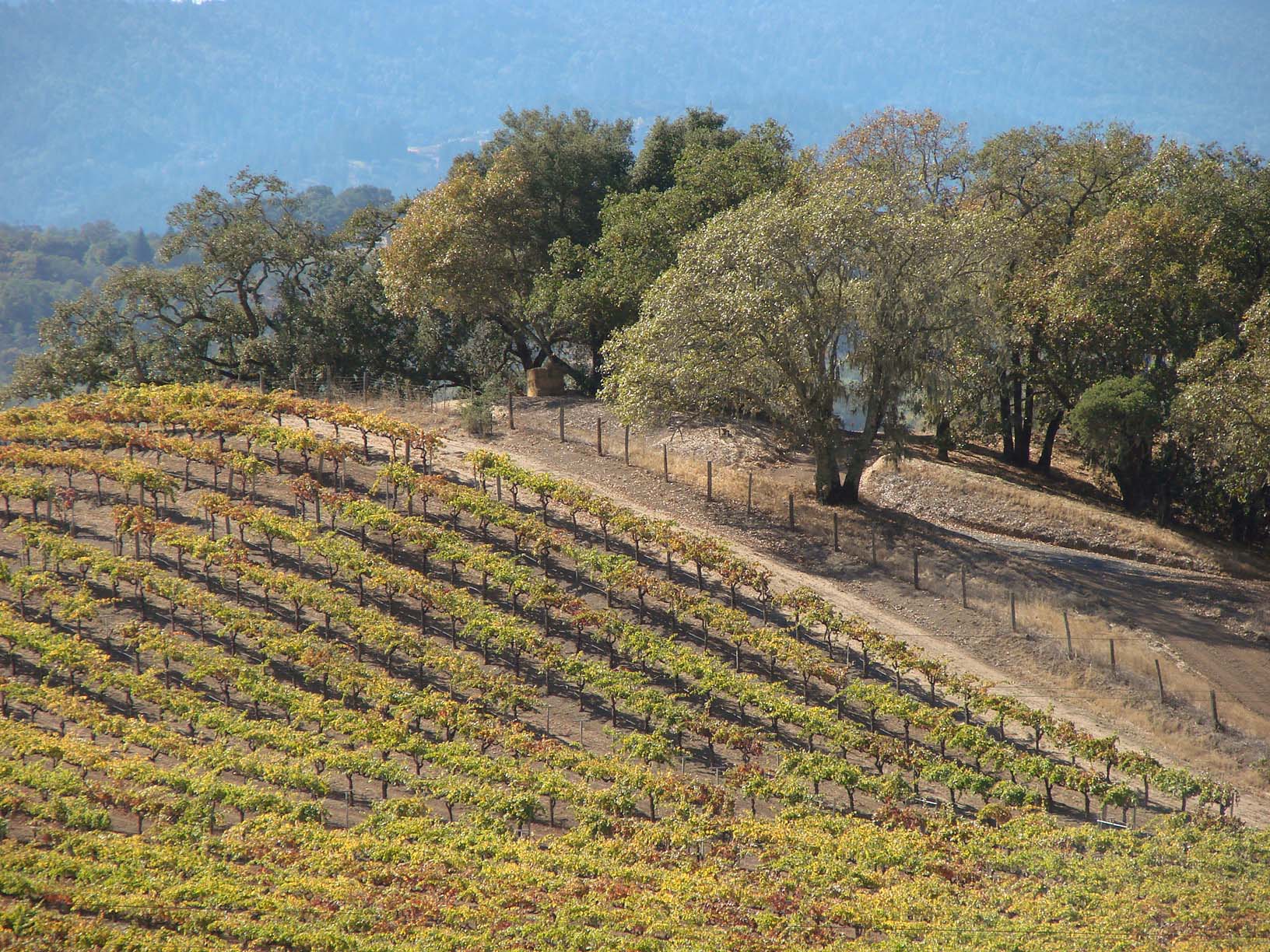
In the spring, the trees block cold air from the north that might kill young vine shoots. In the heat of the summer, the forest's shade creates cool air that flows downhill when the grapes need a break. Note in the attached picture, that a Dr. Bunsen Honeydew sort of forest would be a disaster.
Protected by this Beaker-like 'do, the vineyard can thrive.
The key to Chablis: Ode to Joy
Muppet aficionados remember Beaker and his troubled version of Ode To Joy.
A more refined take on Ode To Joy helps me explain quality levels in Chablis. The power and finesse we taste when moving from Chablis to 1er Cru Chablis builds like the energy of the flash mob. We hear the first notes and they are exciting (Chablis), but the lift and power that comes with an entire orchestra inspires an entirely new set of emotions (1er Cru, Chablis).
Here endeth my crash course on the fine wines of France (and possibly one Master Sommelier's respect for me).

Damien Casten
2y ago
A Master of Wine I work with claims the most exciting red wines in Oregon aren't made from Pinot Noir.
Her opinion goes against six decades of accepted wisdom in the Willamette Valley. Despite being an MW, many people think she is nuts. And yet by challenging the status quo, she generates curiosity and excitement around wine.
You can harness the same power on your wine list by highlighting producers who think outside the box.
Sacrifice the sacred cow
Conventional wisdom leads to conventional wine lists.
Tying your professional reputation to a maverick may seem scary, but repeating the same old standards won't excite your guests. Seek out producers who challenge your accepted beliefs. It is here that you will find the wines that will take your breath away.
Once you've tasted wines with electricity, and excitement, your team, your guests and your boss will feed off your energy.
Train your rep to be a skeptic too
As a buyer, you can (and should) insist that reps bring you sacred cow killing wines.
Ask reps to cull conventional bottles from their herd. Within a few tastings, you will see that they are asking better questions of their own portfolios. The quality of wines presented to you will increase.
When your rep from the big, conventional distributor isn't willing to play along, well, don't be afraid to make one more sacrifice at the altar of a great wine list.
Still Wondering About Oregon?
Her name is Bree Stock, MW.
Trousseau, Gamay, Cab Franc, Mencia, and even Willamette Valley Grenache are the future. Limited Addition is her winery. Still dubious?
Call me to set up a tasting, or as I like to think of it, an appointment at the butcher shop.